
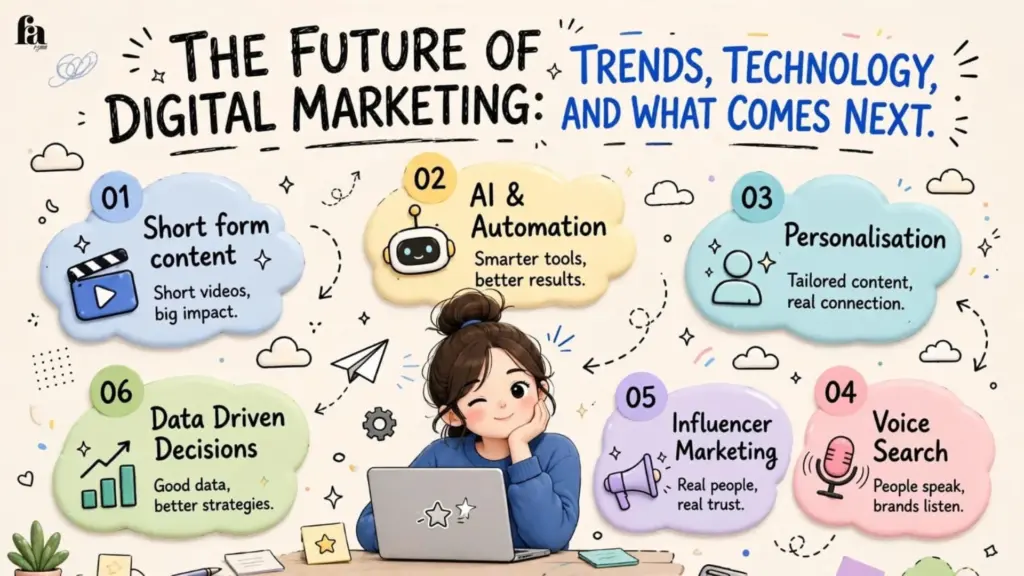
Marketing has always evolved alongside technology, but the pace of change in recent years has made one thing clear: the future of digital marketing will look very different from the strategies businesses rely on today. Artificial intelligence, changing consumer behavior, evolving privacy regulations, and new platforms are all reshaping how brands connect with their audiences. Understanding the future of digital marketing isn’t just an academic exercise — it’s essential for any business that wants to remain competitive over the next five to ten years. In this article, we’ll explore the biggest trends shaping the future of digital marketing and what businesses should do to prepare.
Why the Future of Digital Marketing Looks So Different
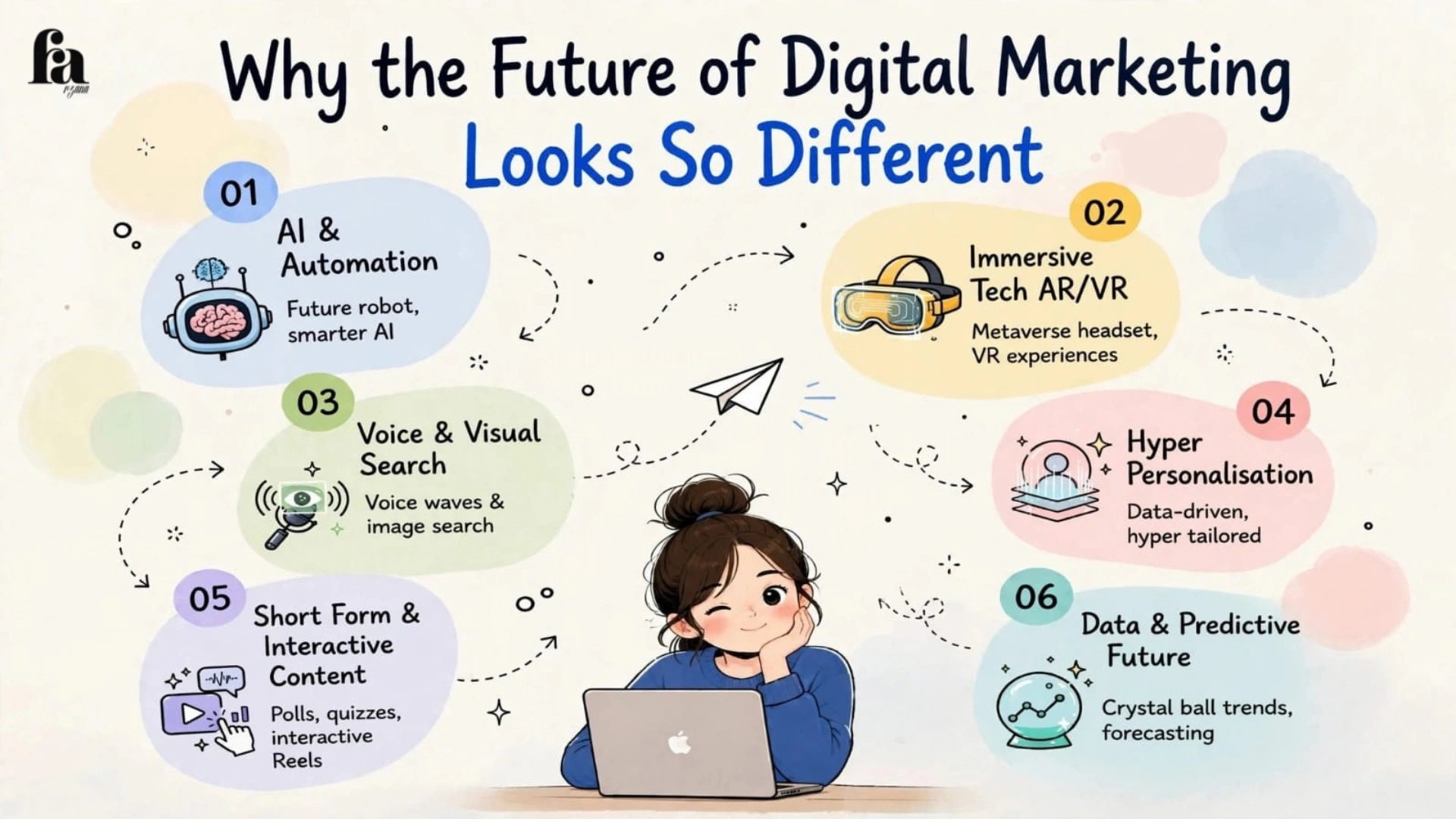
For years, digital marketing revolved around fairly predictable channels: search engines, social media platforms, and email. While these channels remain important, the future of digital marketing is being shaped by forces that are fundamentally changing how people discover, evaluate, and purchase products. Artificial intelligence is automating tasks that once required entire teams. Consumers are demanding more privacy and transparency. New platforms are emerging faster than ever, fragmenting audience attention across dozens of apps and channels. All of this means that the future of digital marketing will require far more adaptability than the marketing strategies of the past decade.
1. Artificial Intelligence Will Drive Personalization
Perhaps the single biggest force shaping the future of digital marketing is artificial intelligence. AI already powers product recommendations, chatbots, and ad targeting, but its role is expanding rapidly. In the future of digital marketing, AI will likely handle much of the heavy lifting behind personalized content, predictive customer behavior analysis, and even automated campaign optimization. Businesses that learn to use AI tools effectively — without losing the human touch — will have a significant advantage as this trend accelerates.
2. Voice Search and Conversational Interfaces
As smart speakers and voice assistants become more common, the future of digital marketing will need to account for how people search using natural, conversational language rather than short typed queries. This shift means businesses will need to rethink their SEO strategies, optimizing for question-based searches and long-tail phrases that mirror how people actually speak. Voice commerce, where users complete purchases through voice commands, is also expected to play a growing role in the future of digital marketing.
3. The Rise of Video and Short-Form Content
Video content, especially short-form formats popularized by platforms like TikTok and Instagram Reels, has already transformed how brands engage audiences. The future of digital marketing will likely see even greater emphasis on quick, authentic, visually engaging content over polished, traditional advertisements. Brands that can tell compelling stories in fifteen to sixty seconds will have an edge in capturing attention in an increasingly crowded digital space.
4. Privacy-First Marketing
With the phase-out of third-party cookies and increasingly strict data privacy regulations around the world, the future of digital marketing will depend far more heavily on first-party data — information businesses collect directly from their own customers through email sign-ups, loyalty programs, and direct interactions. This shift means building direct, trust-based relationships with customers will become even more central to the future of digital marketing than it already is today.
5. Augmented Reality and Immersive Experiences
Augmented reality (AR) is already being used by brands to let customers virtually try on clothing, preview furniture in their homes, or test makeup shades before buying. As AR technology becomes more accessible and affordable, it’s expected to become a bigger part of the future of digital marketing, particularly for e-commerce businesses looking to reduce uncertainty and increase buyer confidence before a purchase.
6. Influencer and Creator Partnerships Will Evolve
Influencer marketing isn’t new, but its role in the future of digital marketing is shifting toward longer-term, more authentic partnerships rather than one-off sponsored posts. Micro and nano influencers, who often have smaller but highly engaged audiences, are expected to play an increasingly important role as brands seek genuine connections over sheer follower counts. This evolution reflects a broader trend in the future of digital marketing toward authenticity over polish.
7. Marketing Automation Will Become More Sophisticated
Automation tools already handle tasks like email sequences and social media scheduling, but the future of digital marketing will bring far more advanced automation capabilities. Predictive analytics, automated customer journey mapping, and AI-generated content will allow even small teams to run sophisticated, highly personalized campaigns at scale. This trend will be particularly valuable for small and mid-sized businesses that lack large marketing departments.
8. Search Engines Will Continue to Evolve
The rise of AI-powered search experiences, including conversational answers generated directly within search results, is changing how people find information online. The future of digital marketing will require businesses to optimize not just for traditional search rankings but also for being referenced or cited within AI-generated summaries and answers. This means creating clear, authoritative, well-structured content will matter more than ever.
9. Interactive and Shoppable Content
Static advertisements are giving way to interactive formats — polls, quizzes, shoppable posts, and live shopping events. The future of digital marketing will likely feature far more seamless paths from discovery to purchase, reducing friction and allowing customers to buy products without ever leaving the platform where they first discovered them. This trend is especially prominent on social media platforms investing heavily in in-app commerce features.
10. Sustainability and Values-Driven Marketing
Consumers, particularly younger generations, increasingly favor brands that align with their values around sustainability, ethics, and social responsibility. The future of digital marketing will likely place greater emphasis on transparent, values-driven messaging, as businesses that authentically communicate their impact will build stronger loyalty than those relying purely on transactional messaging.
How Businesses Can Prepare for the Future of Digital Marketing
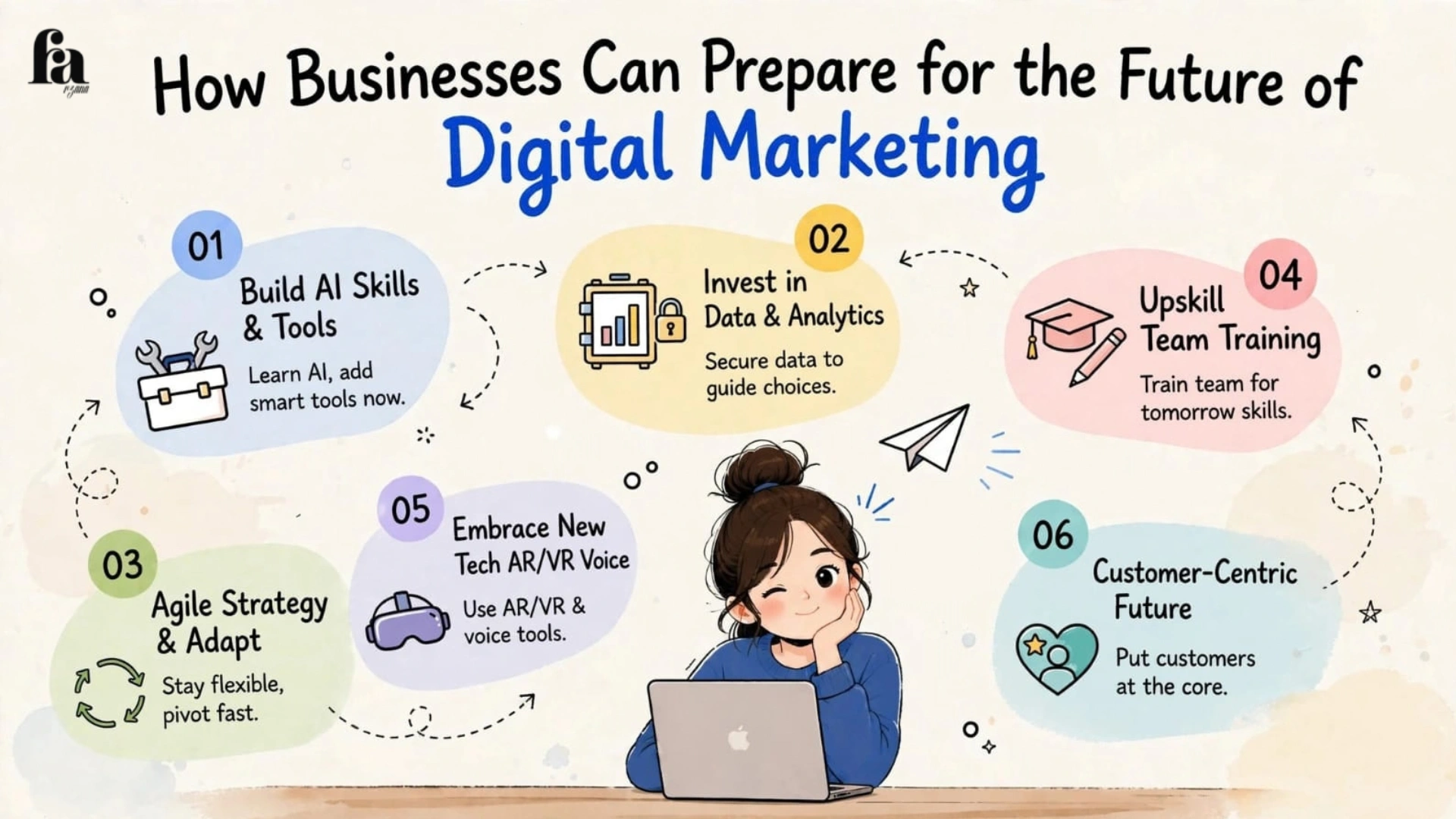
Understanding these trends is only useful if businesses take practical steps to prepare. Here’s how to start positioning your business for the future of digital marketing:
Invest in first-party data collection. Build email lists, loyalty programs, and direct customer relationships now, since these will become increasingly valuable as third-party tracking continues to decline.
Experiment with AI tools. Whether for content creation, customer service chatbots, or ad optimization, getting comfortable with AI tools today will prepare your team for the more advanced applications shaping the future of digital marketing.
Prioritize authentic content over polished perfection. Audiences increasingly respond to genuine, relatable content, particularly in short-form video. Businesses that embrace this shift early will be better positioned as the future of digital marketing continues to favor authenticity.
Stay flexible. The channels and tactics that work today may look different in just a few years. Building a marketing approach that can adapt to new platforms and technologies will be essential for navigating the future of digital marketing successfully.
Optimize for how people actually search. As voice search and AI-generated answers become more common, focus on creating clear, conversational, well-organized content that directly answers common customer questions.
Common Misconceptions About the Future of Digital Marketing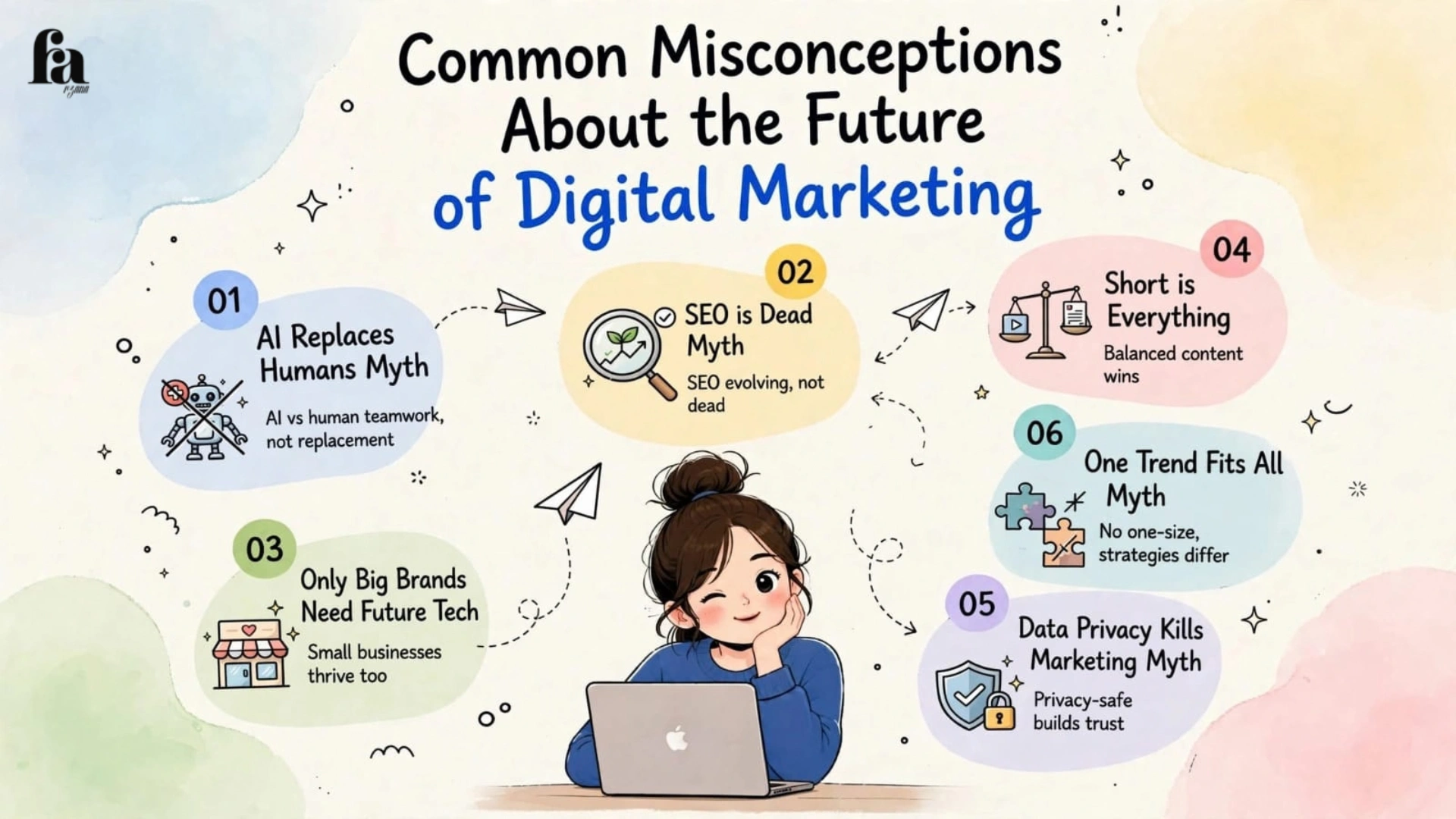
Some business owners assume that only large corporations with substantial budgets need to worry about the future of digital marketing, but this isn’t accurate. Many of the emerging tools and platforms — from AI content generators to social commerce features — are becoming more accessible and affordable, meaning small and mid-sized businesses can adopt these trends just as effectively as larger competitors. Waiting until a trend becomes mainstream often means missing the early advantage of being an innovator in your industry.
Another misconception is that the future of digital marketing means abandoning proven fundamentals like SEO, email marketing, or quality content. In reality, these fundamentals remain the foundation upon which new technologies and trends are built. The future of digital marketing isn’t about replacing what works — it’s about enhancing it with new tools and adapting to changing consumer behavior.
Frequently Asked Questions
Will artificial intelligence replace human marketers? Unlikely. While AI will automate many repetitive tasks, the future of digital marketing will still require human creativity, strategic thinking, and genuine relationship-building that technology alone cannot replicate.
How can small businesses keep up with the future of digital marketing? Start small by experimenting with one or two emerging tools or platforms relevant to your audience, rather than trying to adopt every new trend at once. Consistent learning and adaptation matter more than having unlimited resources.
Is it too late to start preparing for the future of digital marketing? No. While early adopters often gain an advantage, most trends shaping the future of digital marketing are still in relatively early stages, meaning there’s still significant opportunity for businesses that start adapting now.
The Role of Data in Shaping What Comes Next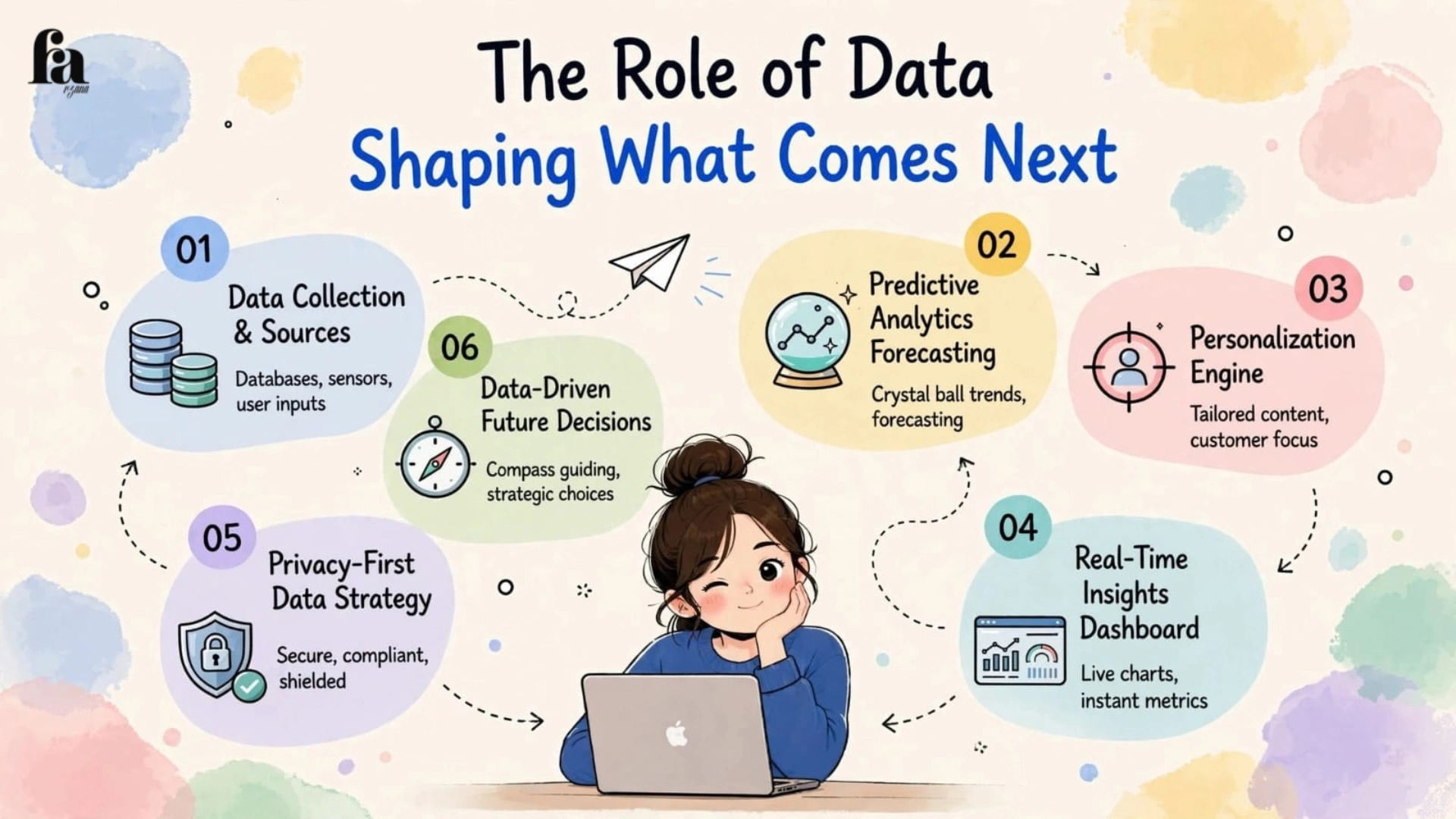
Data will remain at the center of the future of digital marketing, even as the sources and methods of collecting it continue to shift. As third-party cookies fade out, businesses that build robust systems for gathering, organizing, and acting on first-party data will have a clear advantage. This isn’t only about collecting more information — it’s about using it responsibly and effectively to create better customer experiences. In the future of digital marketing, the businesses that win will likely be the ones that treat data as a tool for building trust rather than simply a resource for targeting ads.
This also means marketing teams will need new skills. Understanding basic data analysis, knowing how to work alongside AI tools rather than fearing them, and being comfortable testing new platforms will all become more valuable. The future of digital marketing will favor teams that are curious and adaptable over those that rely solely on tactics that worked well in the past. Training and continuous learning will likely become a bigger part of how marketing departments operate, since the tools and platforms shaping the future of digital marketing are unlikely to stay still for long.
Balancing Innovation with Timeless Principles
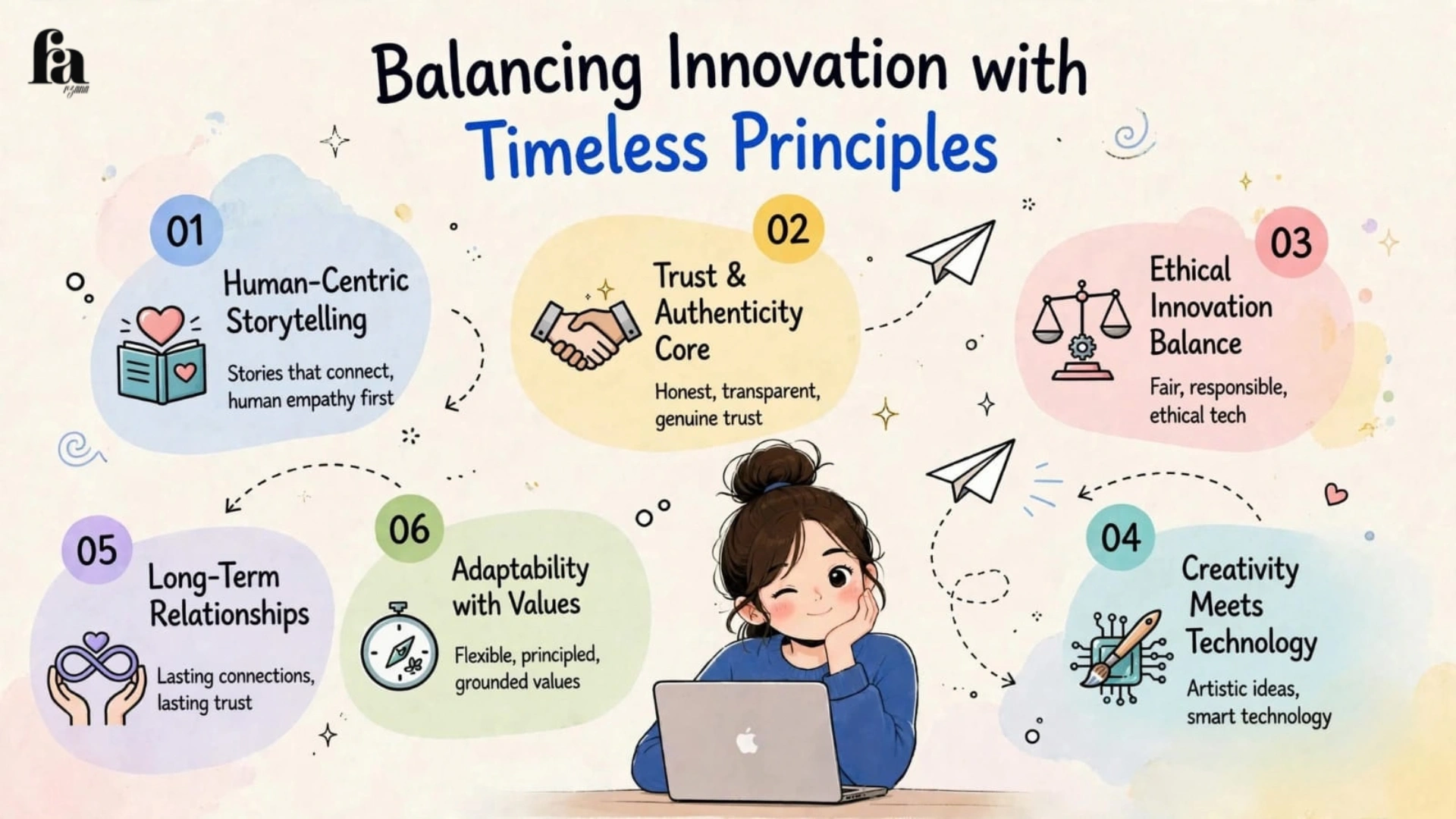
It’s worth remembering that even as new technologies reshape the landscape, some principles will remain constant. Clear communication, genuine value, and respect for the customer’s time and attention have always mattered, and they will continue to matter in the future of digital marketing. The businesses that thrive won’t be the ones chasing every new tool, but the ones that thoughtfully combine new capabilities with a consistent focus on serving their audience well. Innovation should support that goal, not distract from it, as the future of digital marketing continues to take shape.
Final Thoughts
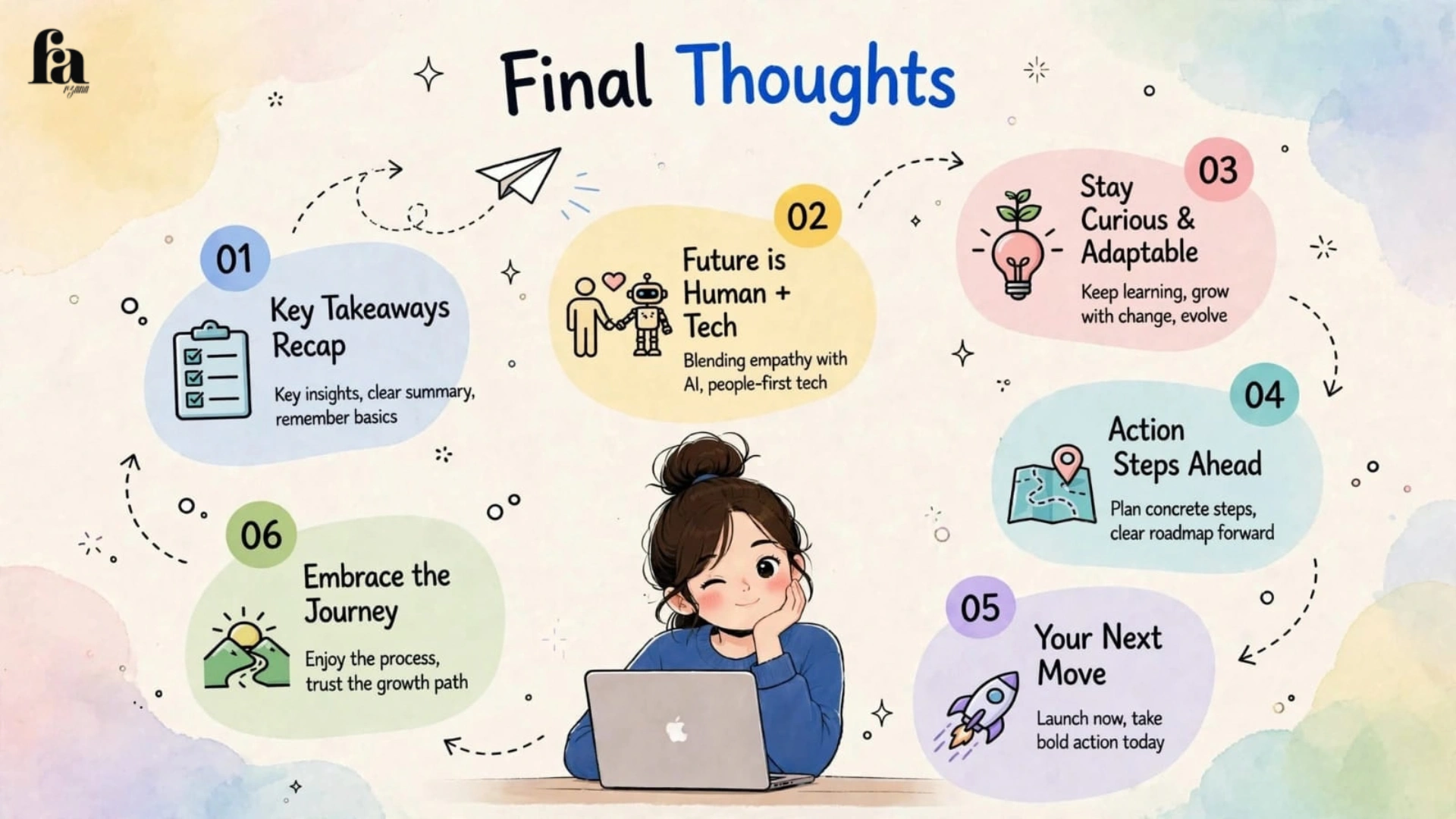
The future of digital marketing will be shaped by artificial intelligence, changing privacy expectations, immersive technologies, and evolving consumer preferences for authenticity and values-driven brands. Businesses that stay curious, remain willing to experiment, and continue prioritizing genuine customer relationships will be best positioned to thrive as these changes unfold. While no one can predict every detail of what’s ahead, one thing is certain: the future of digital marketing will reward businesses that adapt quickly while staying grounded in the fundamentals that have always driven successful marketing — understanding your audience and providing real value.